

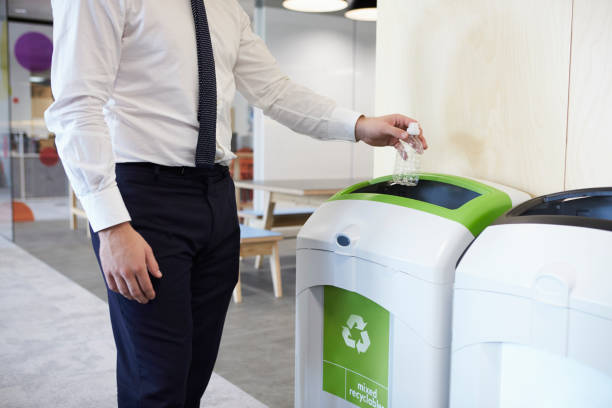
Every day, local neighborhoods produce tons of waste that end up in regional disposal sites. With growing populations, waste management is an area of great concern for both local governments and residents. Recycling provides a solution that provides advantages and reworks regular garbage into valuable resources, making the world a healthier place for everybody to live in.
Reducing Landfill Waste and Pollution
The trash that ends up in regular waste receptacles is sent directly to local landfills. These enormous garbage heaps begin to rot over time, giving off harmful greenhouse gases, such as methane, into the atmosphere. Runoff from landfills may also flow into the ground, contaminating nearby soil and natural water.
Communities significantly reduce the amount of garbage sent to landfill sites by separating paper, cardboard, glass, and metals from other garbage. This helps maintain freshness in neighborhoods, helps to save ecosystems around them, and slows down the encroaching land area used for disposal of waste.
Conserving Nature’s Resources and Energy

Creating new products from raw materials will take a tremendous amount of raw materials. The production of fresh paper involves deforestation, while the production of metal products involves mining activities. These extraction methods result in a loss of natural beauty and cause the destruction of wildlife habitats.
Recycling enables manufacturers to use the materials they already have rather than removing resources from nature. To make this process efficient for homes and businesses, turning to professional services like abrecycling.com.au ensures that recyclable items are properly collected, sorted, and processed for manufacturing reuse. By doing this simple practice, you help to preserve valuable natural areas for generations to come.
Lowering Carbon Footprints
There is much less energy used in creating products from recycled materials than there is in creating products from raw minerals or timber. An example is that of an aluminum can, which requires approximately 95% less energy to make from recycled aluminium scrap than to make from raw aluminium ore.
Reducing the energy consumed by factories reduces the fossil fuel consumption of power plants. This directly reduces carbon emissions, which allows communities to combat local air pollution and climate change. These individual energy efficiency gains can accumulate to significant regional environmental improvements over time.
Boosting Local Economies
There are real economic opportunities in the sustainable management of waste. Recycling goes through the process of collecting, sorting, processing, and remanufacturing materials into new products, while dumping in a landfill needs very little labor.
This multi-step process generates thousands of jobs in logistics, operations, and green manufacturing. Local governments also avoid the high cost of landfill management fees and have the opportunity to allocate public dollars for improved services, local parks, and infrastructure.
Fostering Community Engagement and Pride
The residents of a clean neighborhood are likely to take pride in their neighborhood. An accessible recycling program allows communities to create a direct path for their citizens to take action to protect their local environment.
School programs, community cleanups, and clean bins encourage people to collaborate and act for a shared purpose. This collaborative effort fosters greater ties in the community and instills in younger generations the importance of their own communities.
Conclusion
Recycling is no ordinary task. It is a basic approach to creating a cleaner, healthier, and more sustainable community. Recycling makes the world greener as it helps to decrease the use of landfill, conserve natural resources, decrease carbon emissions, and contribute to local economies. Each binning item brings us a step closer to living sustainably.